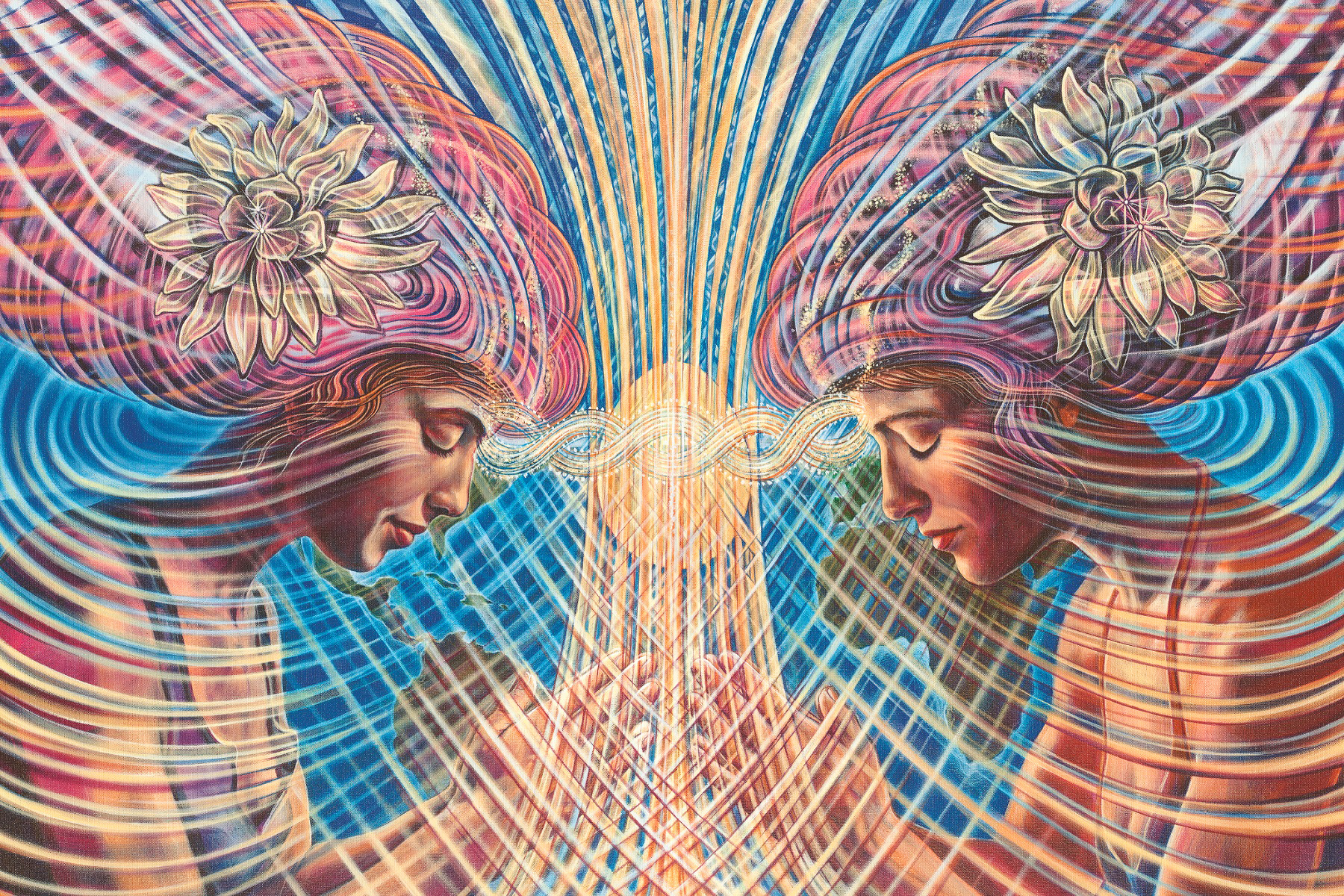
When we dream, we inhabit a world that, at the time, can seem every bit as real as our waking existence. We experience thoughts, emotions, colours, sounds and sensations. There can be little doubt that we are experiencing a form of consciousness. Yet, upon awakening, we may have absolutely no recollection of what we experienced.
This raises a rather profound question: is consciousness dependent upon memory, or is it simply our knowledge of having been conscious that is dependent upon memory?
We could conceivably be conscious throughout the night, but because our experiences are not committed to memory, we awaken with the impression that our consciousness has been interrupted.
Interestingly, scientific research lends some support to this idea. Researchers have identified what are known as white dreams, where people awaken knowing that they have been dreaming but are unable to recall the content. Conscious experiences have also been reported during periods of deep, apparently dreamless sleep.
We therefore need to distinguish between three things:
● Consciousness itself.
● The content of consciousness.
● The memory of that content.
From a spiritual perspective, this becomes particularly interesting. Through meditation, we can explore the distinction between consciousness and that which we are conscious of. As thoughts, images and sensations disappear, awareness may remain. Could something similar happen during deep sleep?
Although science has yet to establish whether consciousness is continuous throughout sleep, it would be a mistake to assume that the absence of memory necessarily implies the absence of consciousness.
Perhaps consciousness is the constant, whilst experience and memory are the variables.
We may never have ceased to be conscious; we may simply have ceased to remember.