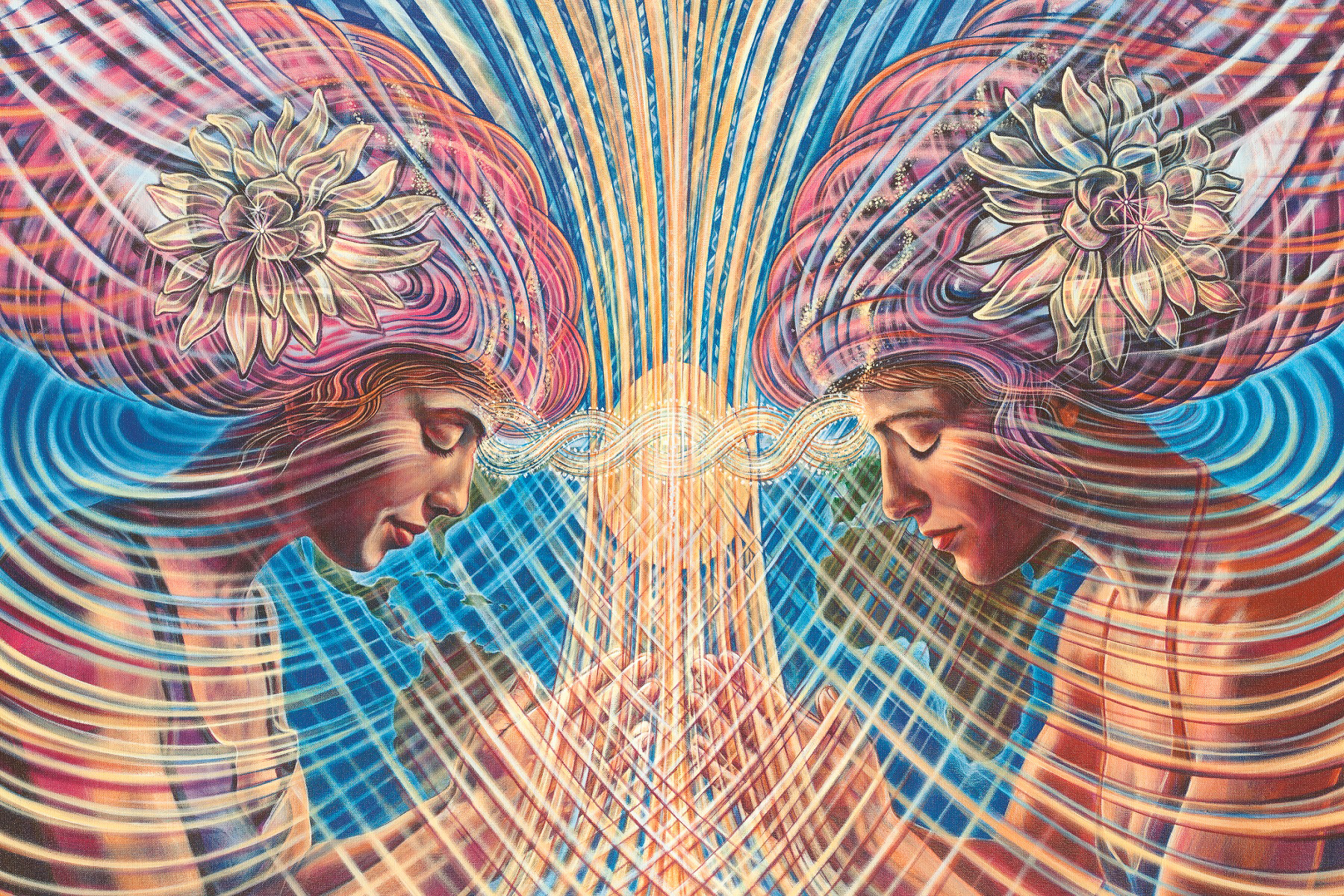
When the body sleeps, the soul is not asleep in the same way.
The physical body rests. The brain changes rhythm. The waking mind loosens its grip. But the deeper consciousness — what we might call the soul, essence, or higher awareness — is not extinguished. It withdraws partly from the dense outer world and becomes more available to subtler levels of experience.
In ordinary sleep, most people remain only dimly aware of this. Their consciousness moves through dream imagery, emotional processing, memory fragments, symbolic scenes, and sometimes deeper regions that feel quite unlike ordinary dreams. Much of this is filtered through the mind when remembered on waking, so it may appear confused, symbolic, or disjointed.
But at a deeper level, sleep can be understood as a nightly loosening of the soul from the body.
The soul does not usually “leave” permanently, of course. There remains a living connection with the body. But the attention of consciousness is no longer so tightly bound to the physical senses. This is why people may receive insights, meet deceased loved ones, enter unfamiliar landscapes, hear inner sound, see inner light, or awaken with a sense that something important happened even if they cannot remember it clearly.
From your perspective, this fits closely with the idea that the human being is not merely a physical organism but a multidimensional being temporarily focused through a body.
In deep sleep, beyond dreams, the soul may touch a condition of great rest, silence, and renewal. The personality may know nothing of it, because the thinking mind is not active enough to register the experience. Yet the being returns refreshed. It is rather like dipping into a deeper reservoir and returning without being able to describe where one has been.
So I would put it simply like this:
When we sleep, the body rests, the mind sorts and releases, and the soul partially relaxes its hold on the physical world. Sometimes it remains close to the dream world. Sometimes it moves into subtler realms. Sometimes it touches silence. And occasionally, when grace or readiness allows, sleep becomes a doorway into real spiritual experience.
That is why the borderlands of sleep — just before falling asleep and just before waking — are so important. The veil is thin there. Inner light, sound, guidance, and memory of subtler journeys can more easily pass through.
Sleep is not death, but it is a small rehearsal of release.
And death, in one sense, is sleep without the return to the physical body.